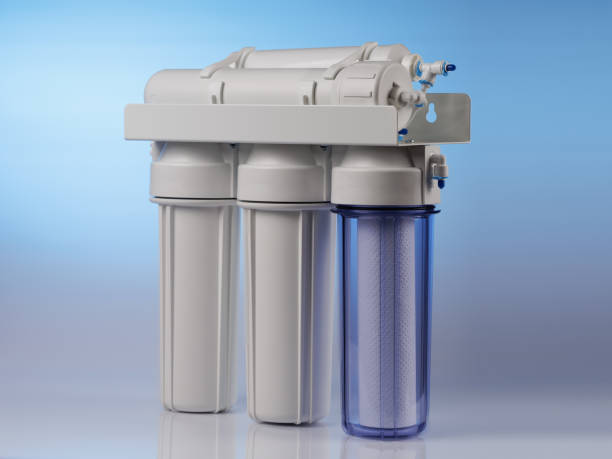
Everyone deserves safe and affordable publicly provided drinking water. However, research shows that there is a great distrust of tap water. Home purifiers have become a preferred method for people who do not trust tap water. Although there are different opinions about the benefits and harms of these devices, a device that meets the standards will be useful. Household purifier selection, depending on what you want to be purified should be done. For this you will need an analysis of your tap water.
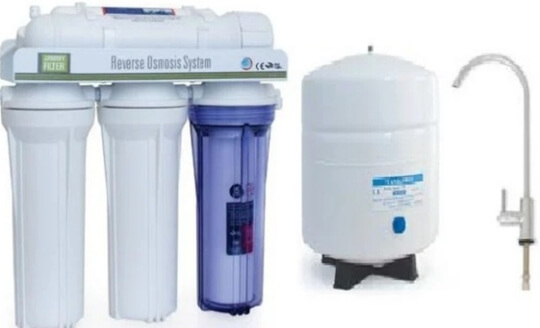
Household Water Treatment Systems include Filtration, Distillation, Ultraviolet Treatment and Water Softening Systems. Different Systems Eliminate Different Microbes or Chemicals. Test Your Water and Choose a System that Eliminates the Harmful Chemicals or Germs You Are Concerned About.
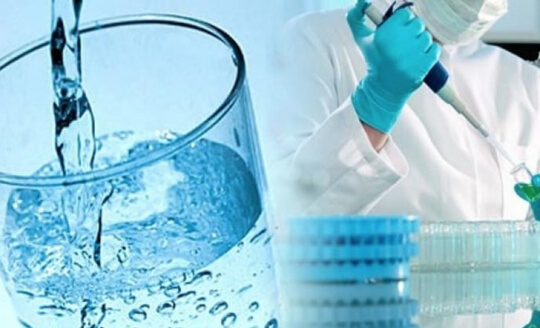
Test Your Tap Water to Find Out If It Contains Harmful Chemicals or Microbes (such as Parasites, Bacteria or Viruses). Make sure the treatment system you install removes the chemicals or germs you are concerned about. If Your Tap Water Does Not Contain Harmful Chemicals or Microbes, You May Not Need a Home Water Treatment System.
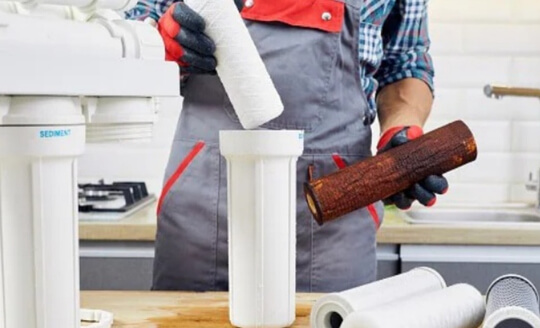
Filters remove both good and bad substances from your water. For example, some filters remove beneficial chemicals like chlorine, which kills germs, or fluoride, which prevents cavities. If your tap water is already free of harmful germs and chemicals, you may not want to filter it.
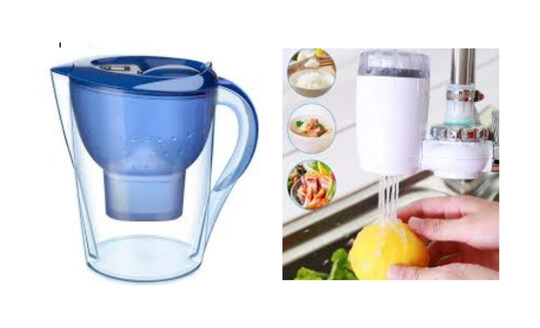
Many Filters Don't Destroy Germs. Most Household Water Filters (Like Jug or Refrigerator Filters) Are Not Designed to Remove Germs from Your Water. These Filters Usually Use A Carbon Filter To Improve The Taste Of The Water Or Remove Heavy Metals Like Lead.
Don't Trust the Taste or Smell. Taste, Smell and Appearance Are Not Always Good Indicators of Water Safety. Harmful Microbes and Chemicals Usually Do Not Change the Appearance, Taste or Odor of Water. Alternatively, non-harmful substances, such as some that contain sulfur, can make water taste or smell bad.
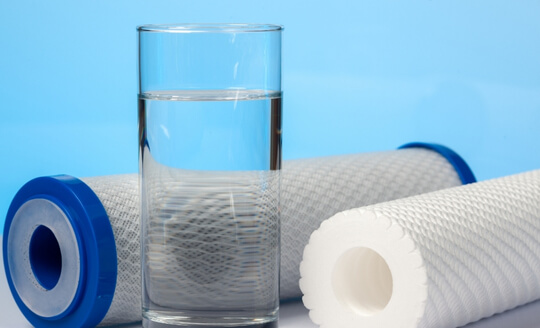
Before Buying a Filter, Check the Product Label for Specific Substances the Filter Can Remove. Filters that Remove Germs Usually Do Not Remove Chemicals and vice versa. Keep in mind that if you install a whole house filter that removes chlorine or other disinfectants, more germs can grow in your plumbing.
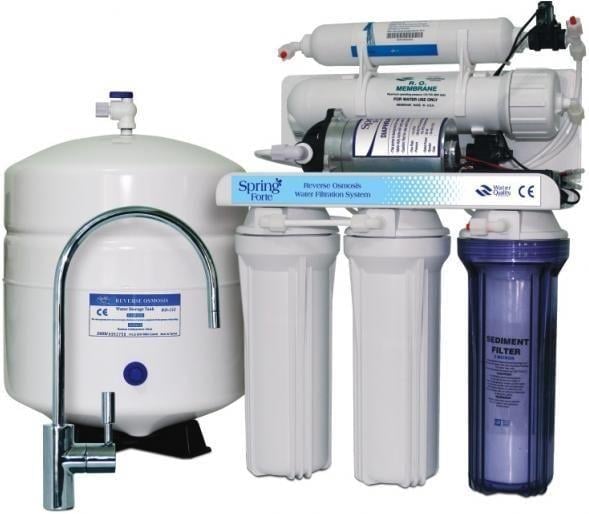
Turkish Standards on Domestic Treatment Devices should be established and their sales should be supervised.
Most of the Best Selling Domestic Treatment Devices in Online Marketplaces Do Not Meet International Standards.
Turkish Standards on Domestic Treatment Devices have not been established.
The most important accreditation body in this field is the National Sanitation Foundation (NSF).
NSF Certifies Complete Treatment Devices or Separate Certificates for the Equipment Used in the Devices.
Many of the Best Selling Domestic Purifiers in Online Marketplaces do not have NSF Certificate.
Some Domestic Purifier Sellers Advertise As If The Whole Device Is NSF Certified, While There Is NSF Certification In One Or Several Parts Of The Device.
NSF Certification Approval: https://www.nsf.org/certified-product...
Unauthorized Use of the NSF Logo: https://www.nsf.org/about-nsf/regulat...
“A B promotes product(s) certified by NSF on product labels and in advertising materials available on Turkish distributor websites. Aquabella does not own NSF-certified product and is not authorized to use the NSF certification mark or make any claims regarding NSF certification.”
Purified Water is passed through various filtration and purification techniques to remove harmful substances in the process of cleaning the water. However, this process can sometimes lead to the loss of beneficial minerals that are naturally present in the water. In particular, advanced treatment techniques such as reverse osmosis can remove not only harmful substances but also important minerals such as calcium, magnesium and potassium from the water. This can lead to mineral impoverishment of the purified water.
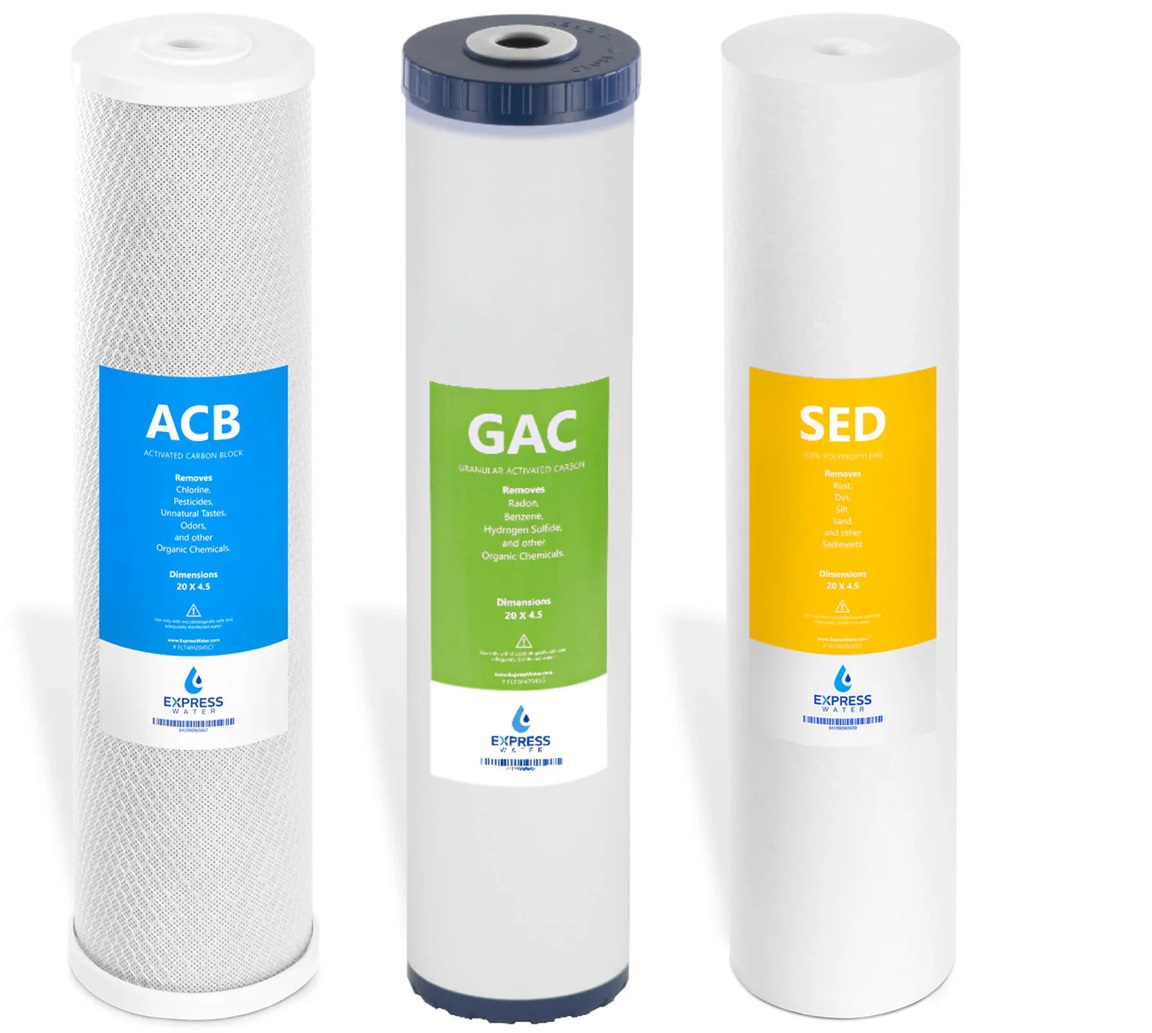
It is very important to change the filters regularly in order for the treatment devices to work effectively and in a healthy way. Filters perform the purification process by capturing pollutants, chemicals, microorganisms and other harmful elements in the water. However, over time, these filters may fill up and lose their effectiveness. For this reason, attention should be paid to filter change times.
Household Water Purifiers are not found to be a healthy and quality drinking water preference due to the fact that they significantly reduce the total hardness of the water with fluoride, calcium, magnesium minerals that are beneficial for both hygienic and health.
Is Purified Water Healthy? How Healthy is Purified Water? What is the Benefit of Purified Water, What is the Harm? Is it Harmful to Drink Purified Water Continuously?