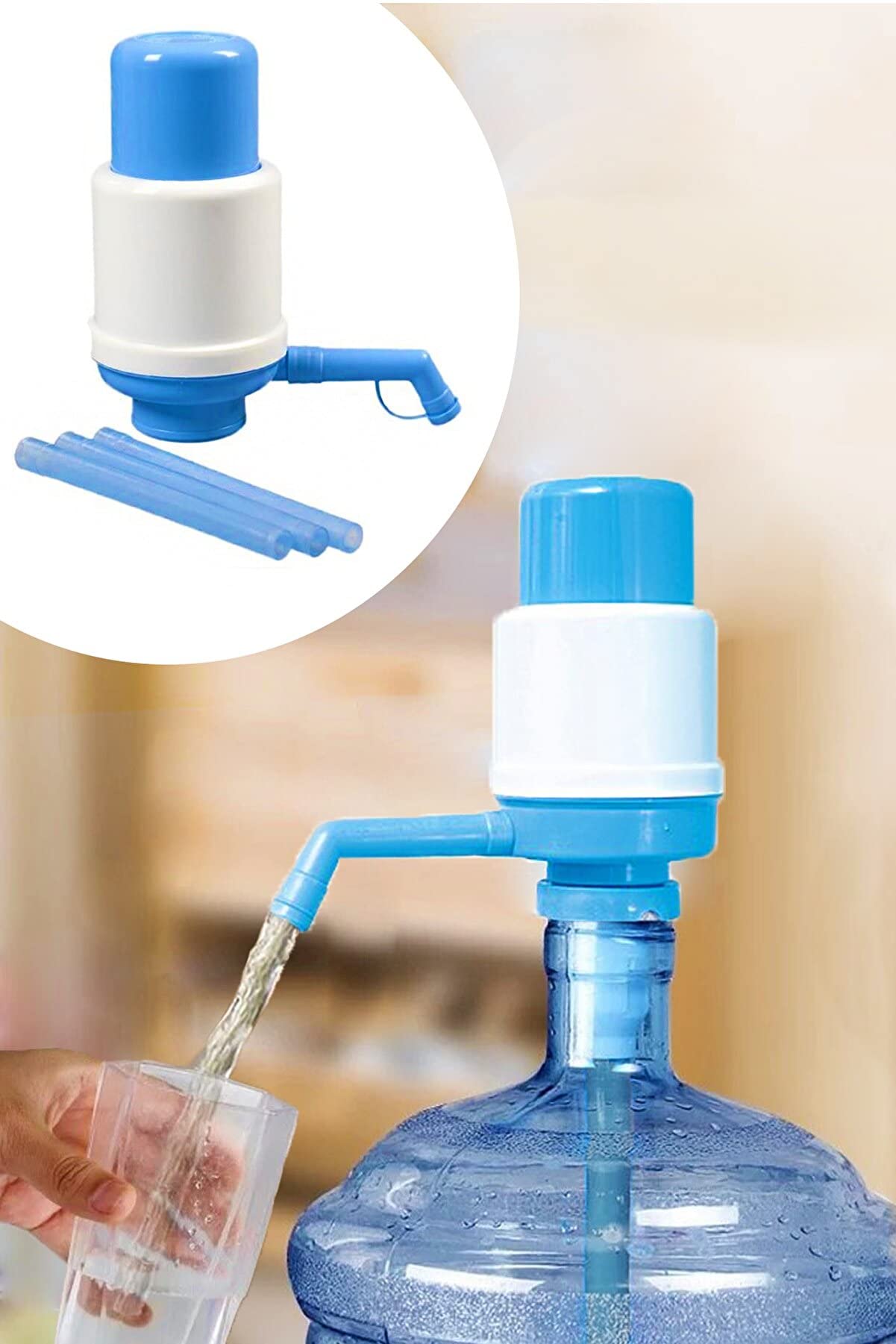

As the winter months approach, we all start to fear diseases. So much so that we move away from people and isolate ourselves from our surroundings to avoid getting sick. Yes, many external factors affect our health; but what if one of these threats is as close as a sip of water? Throughout human history, water has always been needed and will continue to be needed. Because water is indispensable for human life. But how can we be sure of its safety?
A 2007 study conducted at the Faculty of Agriculture of Tekirdağ Namık Kemal University investigates the effect of pump cleaning on the safety of the water we drink. Water from 5 different brands was used in the study and the number of Total Mesophilic Aerobic Bacteria (TMAB) and Coliform bacteria in the water was measured before the pump was installed, immediately after the pump was installed and near the end of the water. In the measurements made before the pump was installed, the amount of TMAB in all water brands except one water brand was found to comply with the regulation, while in the measurements made immediately after the pump was installed, it was observed that the amount of TMAB in all brands exceeded the standard. In the last measurements made, it was observed that the amount of TMAB continued to increase, but the greatest contamination in terms of TMAB number occurred immediately after the pump was installed.
Another factor examined in the study was the number of coliform bacteria in the water. According to the water regulation, coliform bacteria should not be present in drinking water. It was observed that the water used in the research complied with the regulation in the first stage, but coliform bacteria were found in % 60 of the samples taken after the pump was installed. This brings to mind the question of how safe the pumps we use are.
Kısacası, gözlemlenen her iki bakteri türünün de su pompası takıldıktan sonra hızlı bir artış gösterdiği görülmektedir. Başlangıçta ortalama 8,36×10¹ kob/ml (koloni oluşturan birim/mililitre – suda bulunan canlı bakteri miktarını ölçer) olan TMAB miktarı pompa takıldıktan sonra 3,43×10³ kob/ml’ye yükselmiş, yaklaşık 40 kat artmıştır. Koliform bakteriler ise başlangıçta hiç yokken, pompa takıldıktan sonra örneklerin %60’ında 15–46 EMS/ml (En Muhtemel Sayı/mililitre – suda bakteri varlığını tahmini olarak gösteren ölçüm) arasında, son ölçümlerde ise bazı markalarda 93 EMS/ml seviyelerinde tespit edilmiştir. Bu sonuçlar, damacana sularının ilk aşamada temiz olmasına rağmen pompa hijyeni ve kullanım süresiyle birlikte hızla kirlenerek sağlık açısından risk oluşturabileceğini göstermektedir.