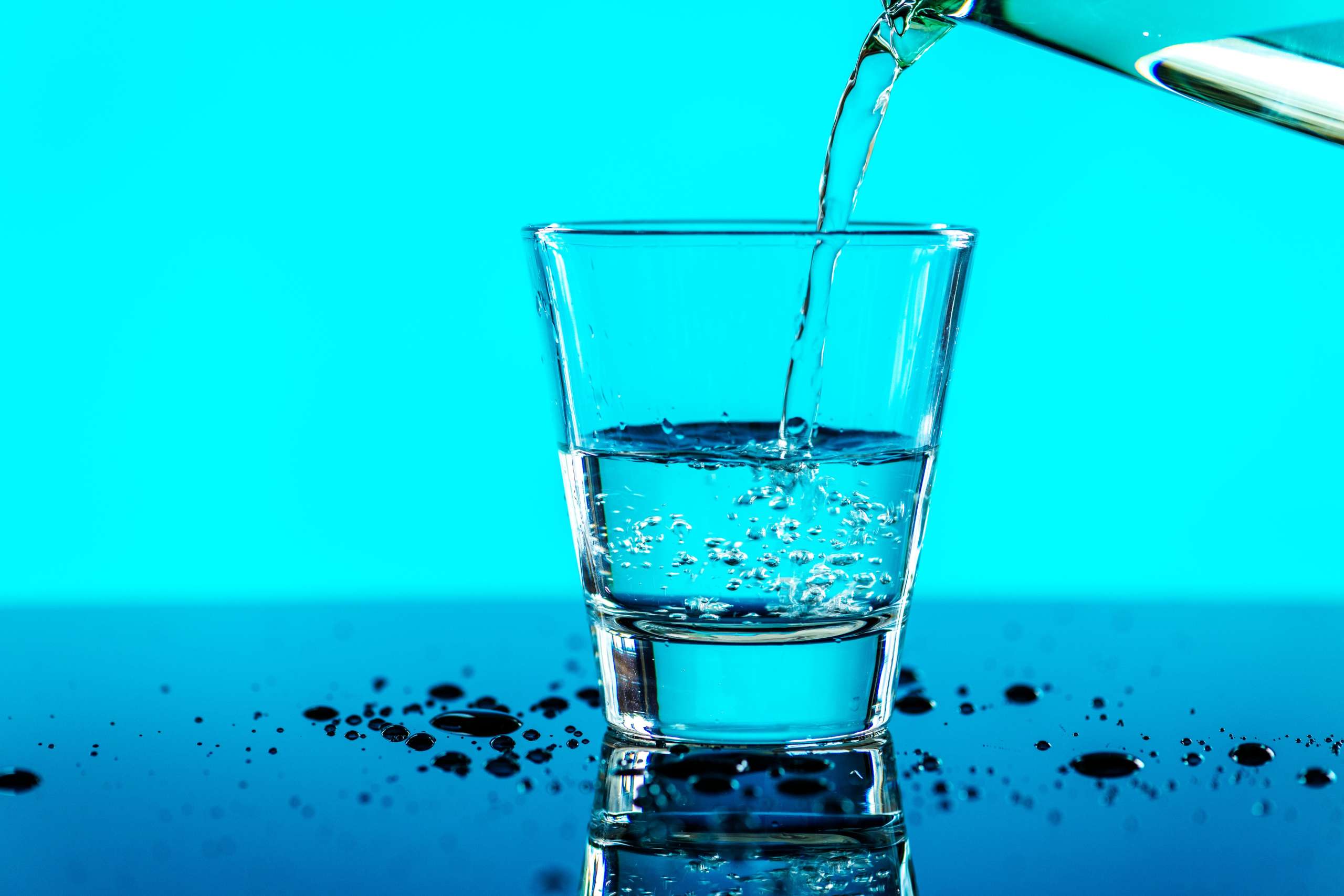
Colorless, odorless and clear water that does not contain microorganisms and chemicals that may be harmful to human health and at the same time contains sufficient and balanced amounts of minerals necessary for health is HEALTHY water. .
What are the Characteristics of Healthy Drinking Water?
- It should be odorless, colorless, clear and pleasant to drink.
- It should not contain substances that give bad odor and taste to water such as phenols and oils.
- It must not contain harmful microorganisms.
- It should not contain elements such as hydrogen sulphide, iron and manganese.
- Water should be free of harmful chemicals
What are these Chemical Substances?
Some chemicals such as arsenic, cadmium, chromium, lead, mercury can have toxic effects. In addition to these substances, substances such as barium, nitrate, fluoride, radioactive substances, ammonium, chloride are substances that have negative health effects when they are above the limit values.
It is possible to collect the properties of potable water under 3 groups.
1. Physical properties: Turbidity, color, odor, temperature, radioactivity
2. Chemical properties: Degree of hardness, organic and inorganic contents, pH and toxic compounds etc.
3. Biological properties: Bacteria, viruses, parasites, etc.
The most important substances that form hardness in drinking water are Ca, Mg cations. There are also temporary and permanent hardness in water.
Temporary Hardness
Caused by calcium bicarbonate and carbonate compounds; removed by boiling water.
Permanent Hardness
It is caused by sulfate and chloride compounds. The unit of hardness is the French hardness degree and 1 French Hardness Degree is defined as “the level of hardness given by 10 mg Calcium Carbonate in 1 liter of water”.
Hardness Levels
- Fresh water (0-7 degrees of hardness)
- Soft water (7-14 degrees hardness)
- Medium hard water (14-28 degrees of hardness)
- Classified as hard water (hardness 28 and above)